

INCLUDE and Eric Cezne win grant for project 'Making green hydrogen work in Africa'
 The Include Knowledge Platform, of which the ASCL co-hosts the Secretariat, and postdoctoral researcher Eric Cezne have won a grant from the International Development Research Centre (IDRC, Canada), for the project 'Making green hydrogen work in Africa: Addressing the skills gap and employment prospects for youth and women'. The funding amounts to approximately 300.000 euros.
Growing demand for green hydrogen?
Universal access to reliable, affordable and sustainable energy remains central to African economies’ strategy for economic growth and employment for women and youth. The global shift toward carbon reduction has positioned green hydrogen as a crucial renewable energy alternative on the path to net zero, due to its potential for reducing carbon in sectors such as heavy industry, buildings and transport. Despite technical and cost hurdles, international energy agencies and entities like the EU maintain that the demand for green hydrogen is set to increase rapidly, reaching 10% of global energy consumption by 2050.
Mismatch of skills
Africa has vast renewable energy resources and is seen as a potential leader in green hydrogen production for domestic consumption, export and greening industry. One key barrier to realising this potential is the mismatch of skills between those required by industry and the capability of local workforces. It will be vital to strengthen the capacity of the workforce and increase training for deploying green hydrogen across the continent. Technical Vocational Education and Training (TVET) can play a pivotal role in addressing the skills mismatch and preparing the African workforce for an emerging green hydrogen economy.
This project focuses on Namibia and South Africa, in an effort to rethink Africa's green hydrogen transition by grounding it in an inclusive, community-driven TVET system. Employing strategic foresight and social cartography methodologies, the project uses a bottom-up approach that prioritises systemic change and greening education and training.
 Equipping youth and marginalised groups
This project will contribute to the understanding of the opportunities and challenges associated with the green hydrogen economy, along with the ways in which it synergizes with and/or departs from existing fossil fuel and extractive systems. It will strengthen local capacities to engage with and influence project frameworks and outcomes ahead of green hydrogen's expected deployment. It focuses on transforming TVET systems to equip youth and marginalised groups with the practical skills they need to participate in the green hydrogen economy, while supporting inclusivity in the workforce.
Siri Lijfering, on behalf of INCLUDE, and Eric Cezne will be the principal investigators of the project. Congrats to both!
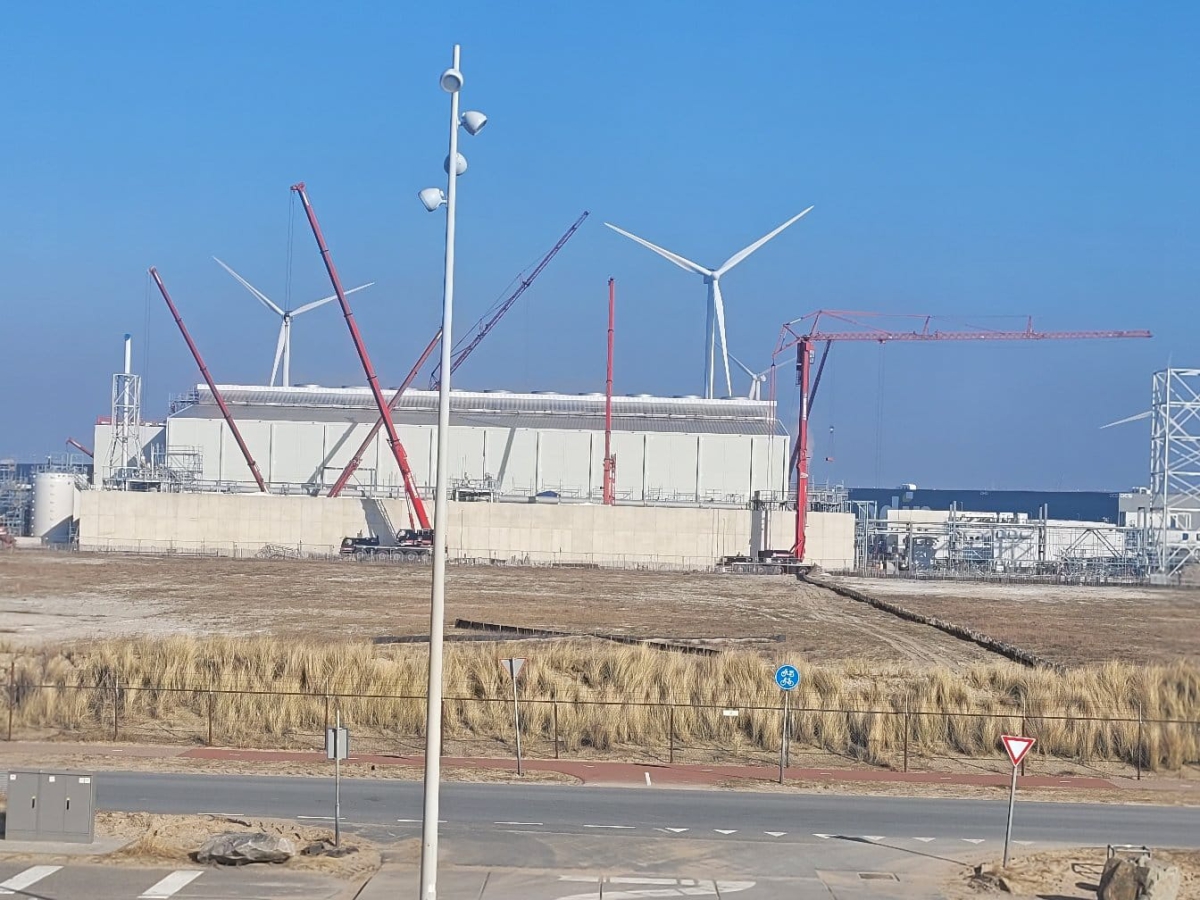
Lower photo: Europe’s largest green hydrogen plant under construction in the Port of Rotterdam, the Netherlands. The port aims to become a key gateway for imported hydrogen into Europe - linking future supply chains with Namibia and South Africa. Photo credit: Eric Cezne, March 2025.
Posted on 9 December 2025, last modified on 23 March 2026