

CRG Seminar:Rabat, city of lights: urban image-making and lived heritage in contemporary Morocco
Primary tabs
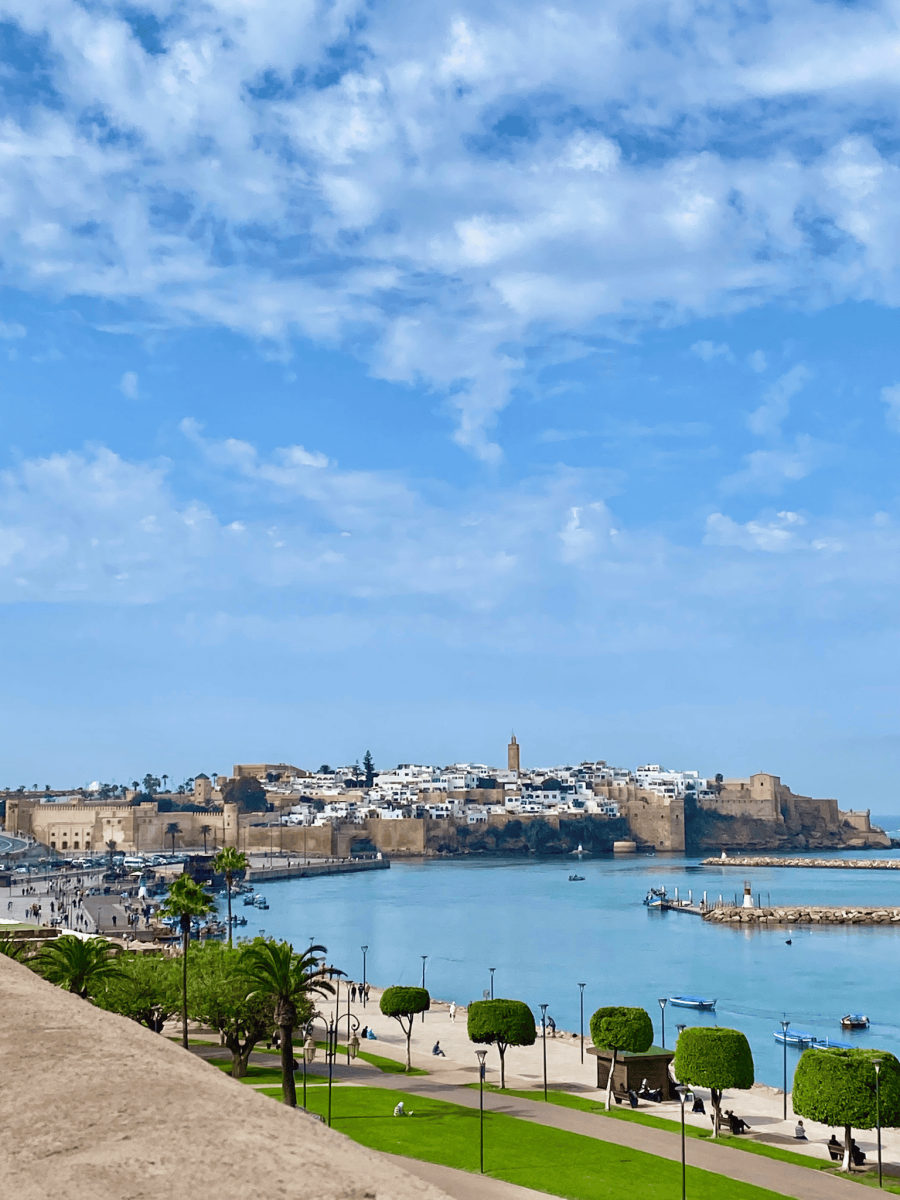
How is a capital deliberately produced? What does it mean for a historically “quiet” administrative city to perform global status? And how do megaprojects, royal governance models, and branding strategies reshape both the image and the lived realities of the city?
For centuries, Rabat occupied an ambiguous place within Morocco’s urban hierarchy. Unlike Fez or Marrakesh, it was neither an imperial powerhouse nor a major religious or commercial center. Founded in the Almohad period as Ribat al-Fath, the city experienced cycles of ambition, decline, reinvention, piracy, reintegration under the Alawites, and finally its designation as capital under the French Protectorate. Rabat’s history is therefore marked not by uninterrupted grandeur, but by shifting political roles and unrealized aspirations.
This seminar traces how this historically “quiet” administrative capital has, in recent decades, been deliberately reshaped into a cultural and globally visible city. Under King Mohammed VI, large-scale projects such as the Bouregreg redevelopment and the Rabat Ville Lumière program have reconfigured the city’s landscape and symbolic positioning. Heritage has become central to this transformation. Rather than treating heritage as a remnant of the past, contemporary planning integrates it as a resource for articulating modernity without rupture.
Yet the image of a capital is never produced by vision alone. Drawing on fieldwork within the medina, the oldest urban core of the city, including interviews with institutional actors and community members, the seminar explores how everyday attachments, memories, and appropriations complicate and reshape official narratives. The medina emerges not as a fixed historic core, but as a living palimpsest where global projection and local experience intersect.
Through the story of Rabat, this talk reflects on a broader question: how do emerging capitals craft modern identities without severing historical depth? And how does heritage become both a strategic instrument and a lived terrain in the making of contemporary urban image?
Speaker
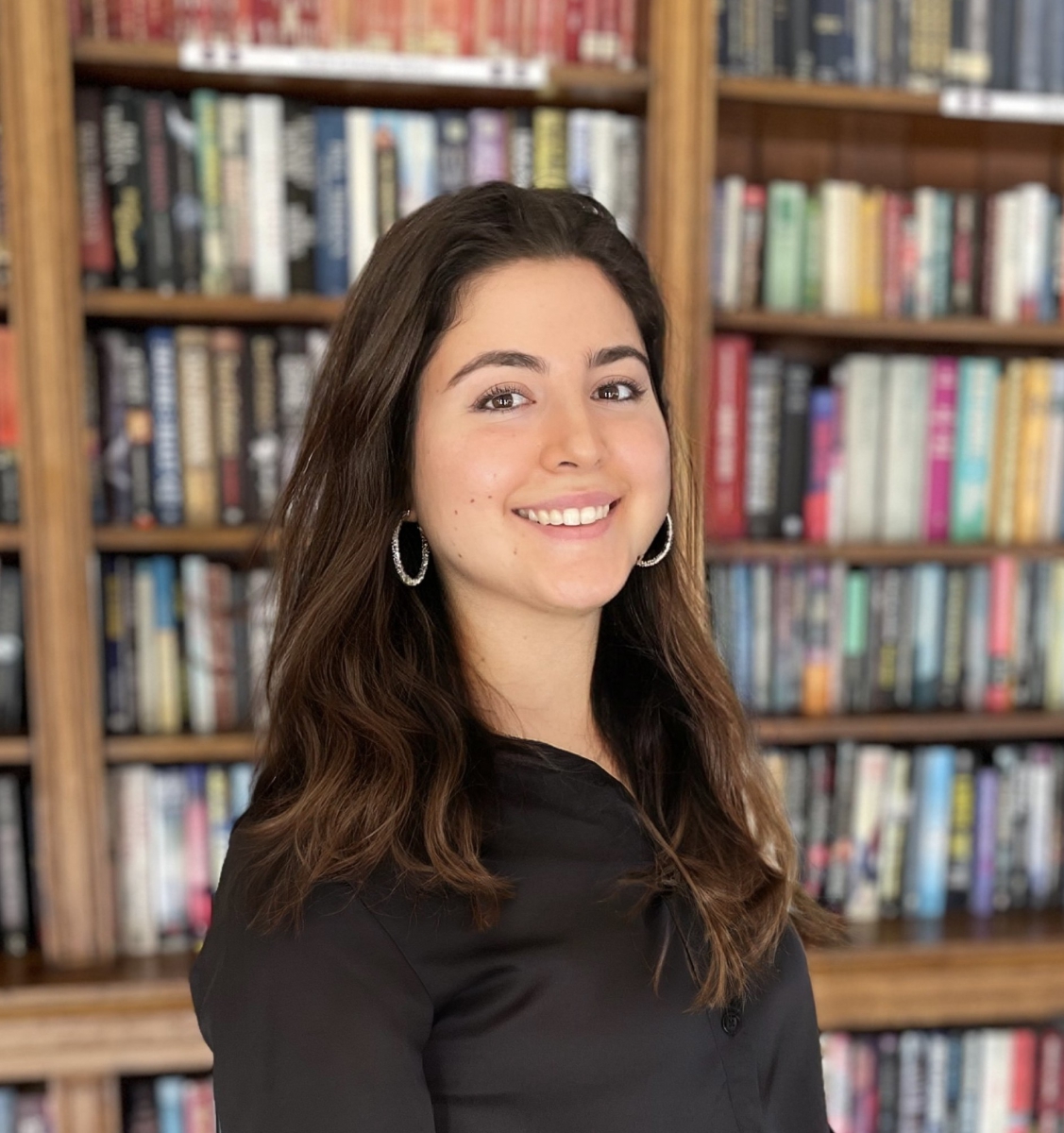
Dr. Rim Yassine Kassab is a Moroccan Syrian architect and urban scholar and lecturer specialising in urban mega-projects, heritage, and governance in Morocco and the Global South. She holds a master's in architecture and urban studies from the National School of Architecture of Rabat, a master's in history and heritage from Le Mans University in France and a PhD in architecture from Liverpool University.
She is currently affiliated with NIMAR (Netherlands Institute in Morocco), where she is involved in teaching, coordination and academic programme development.
Date, time and location
10 March 2026
13.30 - 15.00
Herta Mohrgebouw / Faculty of Humanities, Witte Singel 27a, 2311 BG Leiden
Room 0.31
Registration
Posted on 23 February 2026, last modified on 23 February 2026