

Stephen Ellis Debate: Decolonisation as an expression of African agency: Reworlding the world in a time of global turbulence
Primary tabs
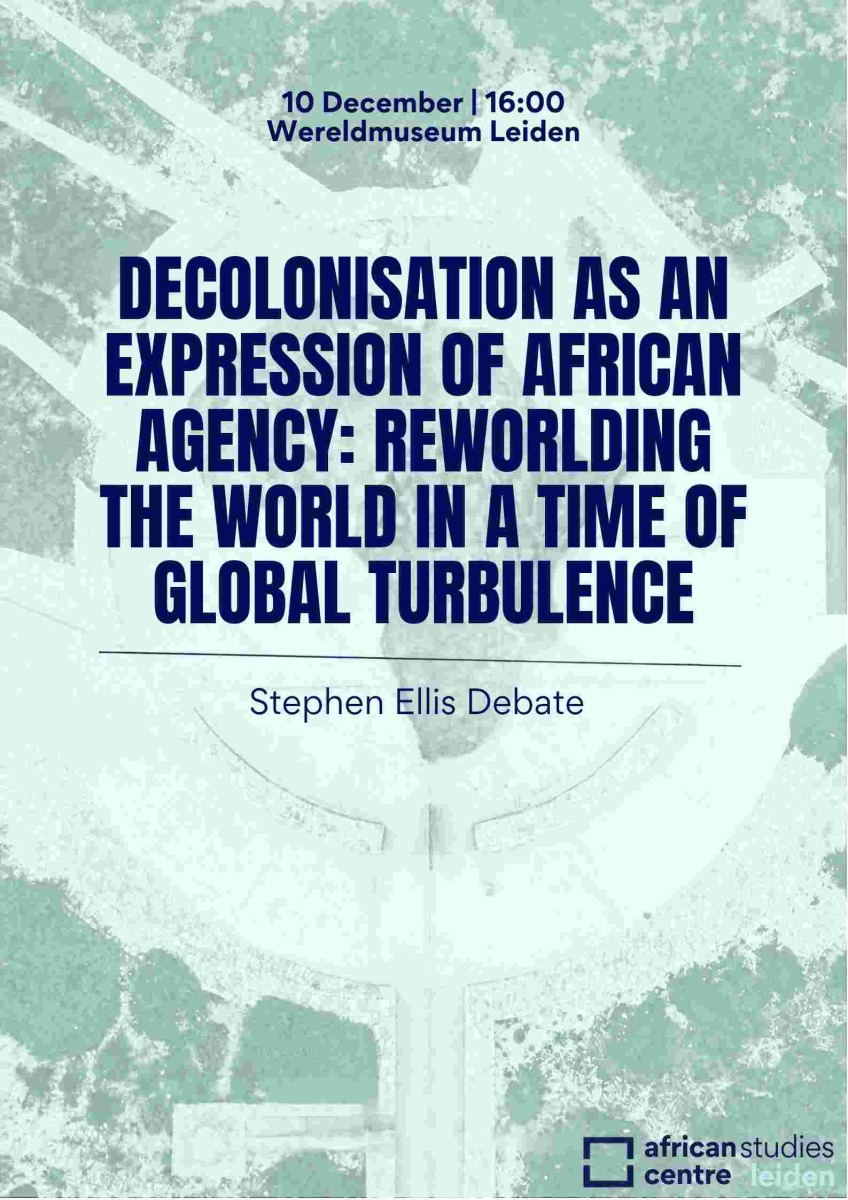 What does decolonisation mean today, and what can it tell us about African agency in a rapidly changing world? The 12th edition of the Stephen Ellis Annual Event will explore decolonisation not simply as a historical process, but as an ongoing project of political, intellectual and social transformation.
Keynote
Professor Sabelo J. Ndlovu-Gatsheni (University of Calgary) will deliver the keynote lecture 'Decolonisation as an expression of African agency: Reworlding the world in a time of global turbulence'.
In his lecture, Ndlovu-Gatsheni challenges interpretations that dismiss decolonisation as nativism, victimhood, ideological fashion or an increasingly empty concept. Instead, he approaches decolonisation as one of the most significant expressions of African agency and as a broad project aimed at remaking the world from the perspective of those historically subjected to colonial domination.
Tracing a long history of decolonial thought and action, from the Haitian Revolution and the Battle of Adwa to Pan-Africanism, Bandung, African liberation movements and the New International Economic Order, the lecture will consider how decolonisation has changed over time. In the twenty-first century, decolonial struggles increasingly extend beyond the nation-state and can be seen in debates around universities, restitution, reparations, African and Indigenous languages, and epistemic justice.
Engaging with Olúfẹ́mi Táíwò’s Against Decolonisation (2022), Ndlovu-Gatsheni will examine and reject the argument that decolonisation infantilises Africans, instead presenting decolonisation as a powerful expression of African agency.
He will conclude by proposing 'reworlding' as the positive content of decolonisation: not a return to a lost purity, but the construction of a pluriversal world, an ecology of knowledges and what Fanon called a new humanism.
Debate
Following the keynote lecture, Prof. Mayke Kaag, Amal Clous and Dr Joseph Sony Jean will reflect on the ideas raised and discuss what decolonisation and African agency might mean in contemporary academic, cultural and political contexts.
The discussion will be moderated by Mpho Andrea Tutu van Furth and will include opportunities for audience participation. Professor Ndlovu-Gatsheni will join the event online from Canada, while the moderator and panellists will participate in person at Wereldmuseum Leiden.
► The debate takes place on 10 December 2026 at 16:00-18:00 in the Pavilion at The Wereldmuseum Leiden and will be followed by drinks.
►Join the debate prepared and read the dossier
► Scroll down to register!
Speakers
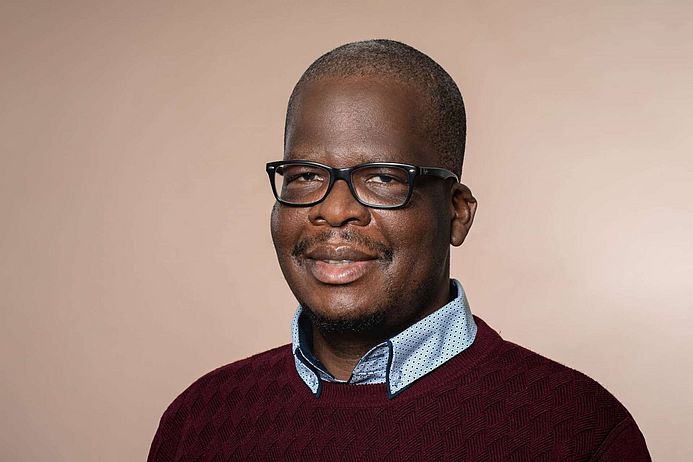
Sabelo J. Ndlovu-Gatsheni is a Full Professor of History and Canada Research Chair (CRC) Tier 1in Pluralistic Societies: Epistemic Pluralism and Ecologies of Knowledges at the University of Calgary. His current work focuses on epistemic freedom, decolonial thought, African Studies, African history, and building pluriversal societies – spaces that recognize, legitimize, and enable the interaction of multiple ways of knowing and being in the world. This approach is closely linked to ecologies of knowledges through the decolonization of knowledge systems and the advancement of epistemologies of the Global South. He has established the Reworlding the World Research Network (RWRN) to facilitate this work. Before joining the University of Calgary, he served as Full Professor and Chair of Epistemologies of the Global South with Emphasis on Africa and Vice-Dean of Research in the Africa Multiple Cluster of Excellence at the University of Bayreuth, Germany. Prior to that, he held senior academic and research leadership positions at the University of South Africa (UNISA) in Pretoria, South Africa, where he facilitated and led in the institutionalization of decolonial scholarship and mentored emerging African researchers. At UNISA, he served as Director of Scholarship Transformation based in the office of the Principal and Vice-Chancellor, founding Head of the Archie Mafeje Research Institute for Applied Social Policy (AMRI), and established the Africa Decolonial Research Network (ADERN) as catalytic force to advance decolonization of institutions and knowledge. He is a member of the Academy of Science of South Africa (ASSAf). He is a prolific scholar who has authored or edited more than twenty-five books and over a hundred peer-reviewed publications.
 Mayke Kaag is Professor of the Anthropology of Politics and Governance in Africa at the Institute of Cultural Anthropology and Development Sociology (CADS) on behalf of the African Studies Centre Leiden. From 2021-2026, she was Professor of the Anthropology of Islam in Africa and its Diaspora at the University of Amsterdam (UvA). She did her PhD on land use and social change in Senegal (Vrije Universiteit 2001). Her current research focuses primarily on Africa’s global connections, including in the field of (geo-)politics, land issues, Islamic philanthropy and activism, knowledge production, and engagements with the diaspora. She is the convenor of the collaborative research group ‘Africa in the World: Rethinking Africa’s Global Connections’.
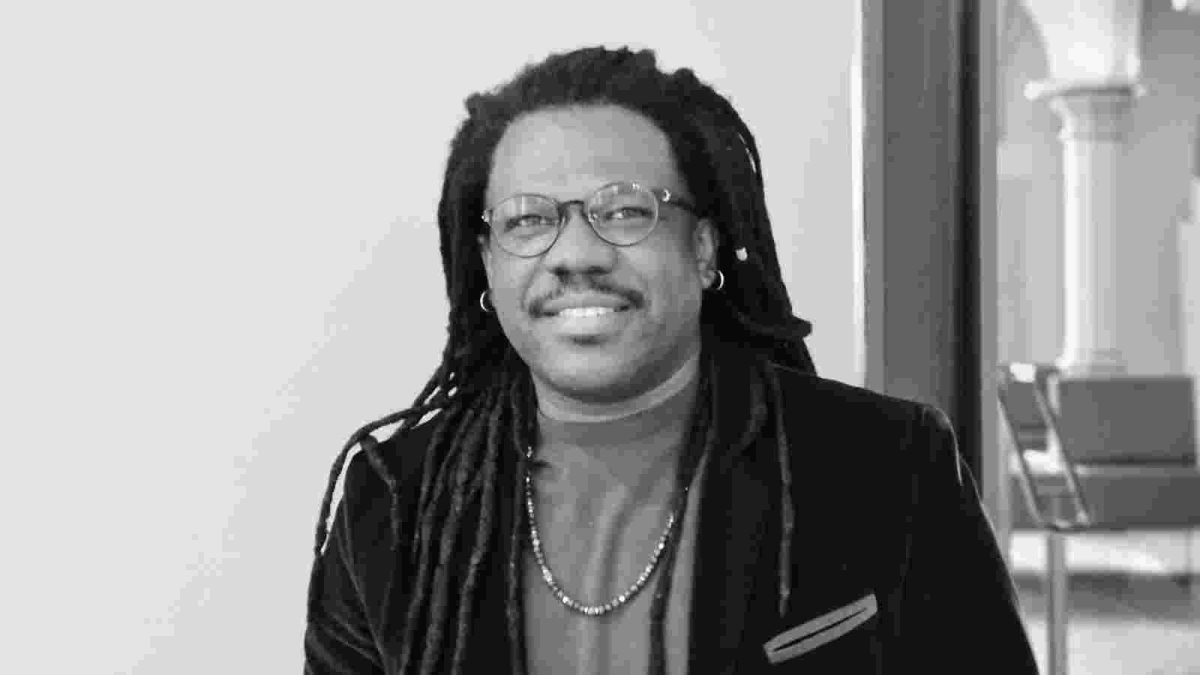
Joseph Sony Jean is an FNRS research fellow at UC Louvain (BE) and an affiliated researcher at KITLV, exploring the contemporary significance of the archaeological past in postcolonial societies. His work combines archaeology, archival data, ethnography, cultural anthropology, and material culture analysis to reconstruct past human interactions and experiences with the environment in Haiti. This research contributes to broader debates in Caribbean studies, historical archaeology, and landscape and memory studies.
Amal Clous
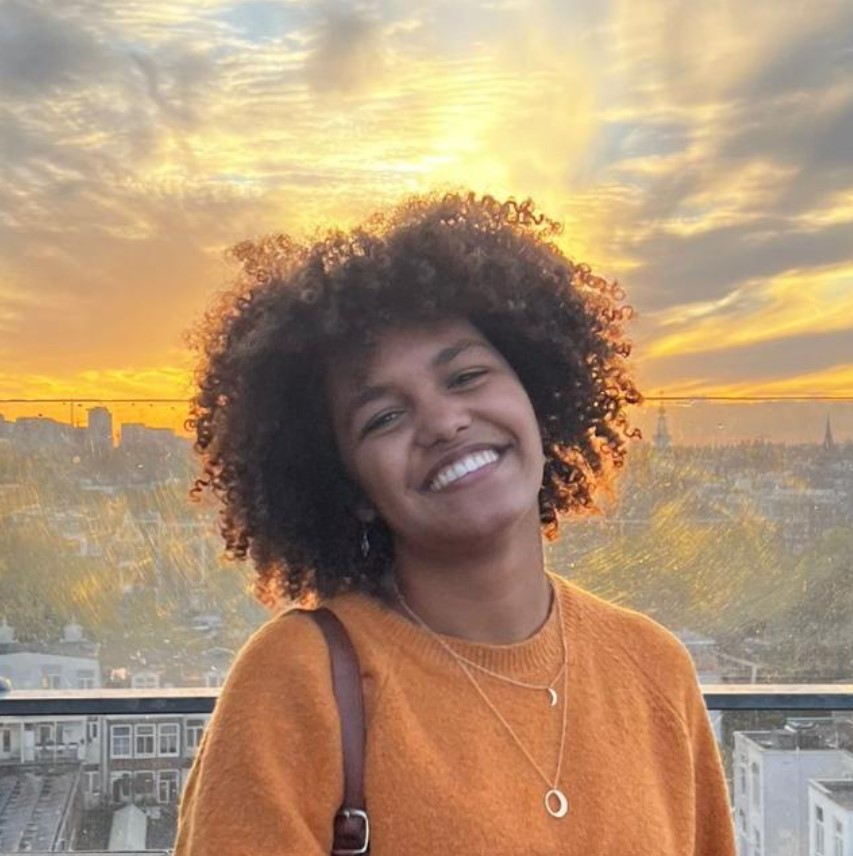 Amal Clous is a Dutch-Sudanese curator, museum educator and cultural producer based in Amsterdam. Through her work with OSCAM, The Black Archives and Wereldmuseum Amsterdam, she engages with decolonial museum practice, public engagement and the ongoing impact of colonial histories. She has a particular focus on reparations for the Dutch history of slavery and the role museums and cultural institutions can play in processes of redress. Working across curating, education and cultural programming, she explores how underrepresented histories can be brought into public view, how communities can gain greater agency over their own narratives, and how institutions can contribute to recognition and repair.
Moderator: Mpho Tutu van Furth
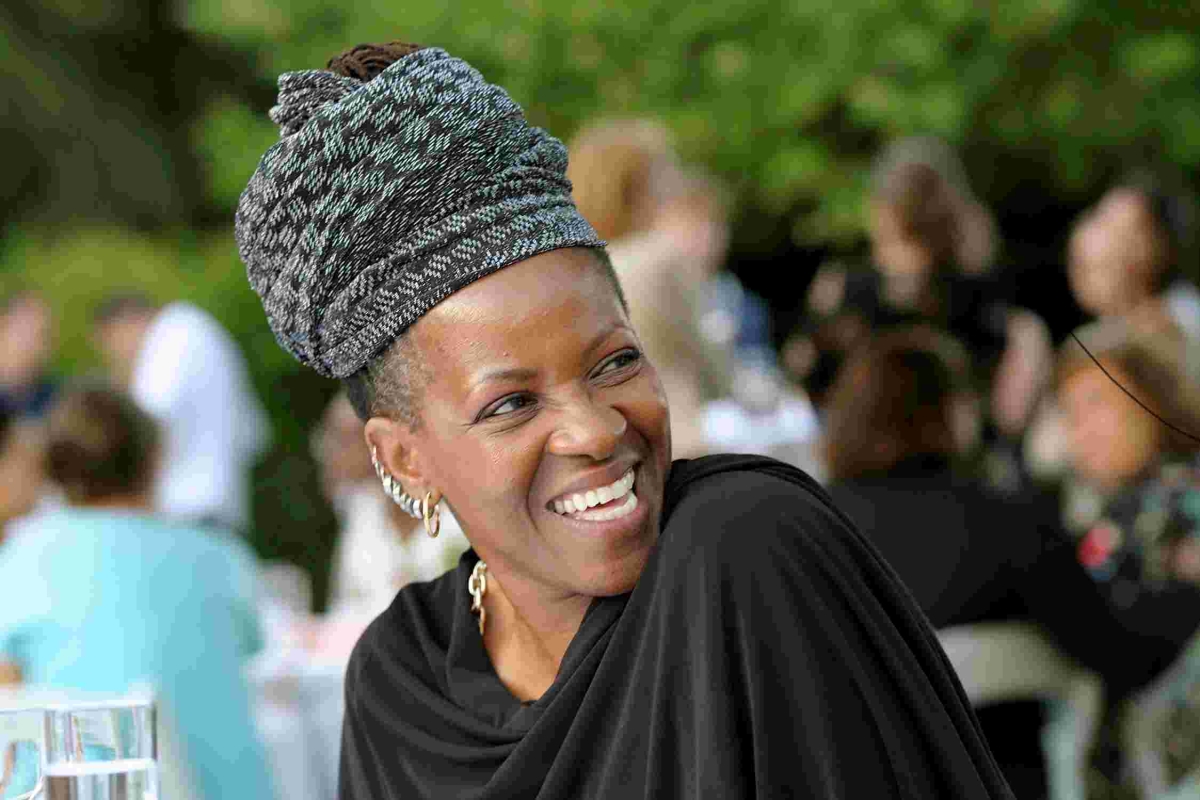
The Reverend Canon Mpho Tutu van Furth is an episcopal priest, an artist, an author, an accomplished public speaker and retreat facilitator. She has had many roles in non-profit leadership. She was the founding executive director of the Desmond & Leah Tutu Legacy Foundation. She continues to work for environmental justice, human rights and equal access to opportunity for all people without regard to race, class or gender. With her wife, Marceline she has established and is Executive Director of the Tutu Teach Foundation to enhance access to opportunity for women and girls. Ms. Tutu van Furth and her wife live in the Netherlands. They have four children and two grandchildren.
Stephen Ellis Annual Event
Stephen Ellis (1953-2015) was a renowned senior researcher at the African Studies Centre Leiden. He was a courageous, deeply inquisitive researcher, going further than most researchers of his generation to uncover hidden truths about Africa. He combined a great interest in how ‘real politics’ work and have an impact on people’s lives, with a fascination for the role of religion and morality. He did so as a historian, with particular attention for the way history influences the present. With the Stephen Ellis Annual Event, the African Studies Centre Leiden wants to honour Stephen Ellis as the great scholar he was and encourages others to work in his spirit.
Every year, a committee consisting of the director of the African Studies Centre Leiden, the Chair of the ASCL Researchers Assembly and Prof. Gerrie ter Haar (Stephen Ellis’ widow) invites a scholar to be the keynote speaker at the event.
Date, time and location
10 December 2026
16:00-18:00
The Wereldmuseum Leiden, Steenstraat 1B, 2312 BS Leiden
The Pavilion
Registration
Posted on 13 October 2026, last modified on 5 November 2026